The best wellness setup does not always come from finding one perfect device that does everything. More often, it comes from combining a few tools that each support a different part of everyday recovery. One product may help you understand your body better. Another may improve your sleep environment. Another may help you decompress when stress is building behind your eyes, in your head, or across your whole nervous system.
That is what makes this group of products interesting. They are not really fighting for the exact same role. Instead, they can complement each other in a very natural way. A smartwatch can help track strain, recovery, and training readiness. A smart ring can quietly monitor sleep and stress in a more lightweight form. A bed climate system can make sleep more comfortable. A smart eye mask can help you wind down faster. Another smart ring can offer a simpler, lower-maintenance wellness option with a different strength set.
So rather than ranking these like direct competitors, this roundup looks at how each one fits into a broader personal wellness system. Some are better for active people who want detailed training data. Some are better for sleep-first users. Some are better for comfort and nighttime reset. Together, they show how modern wellness is becoming less about one device and more about building a routine that actually supports the way you live.
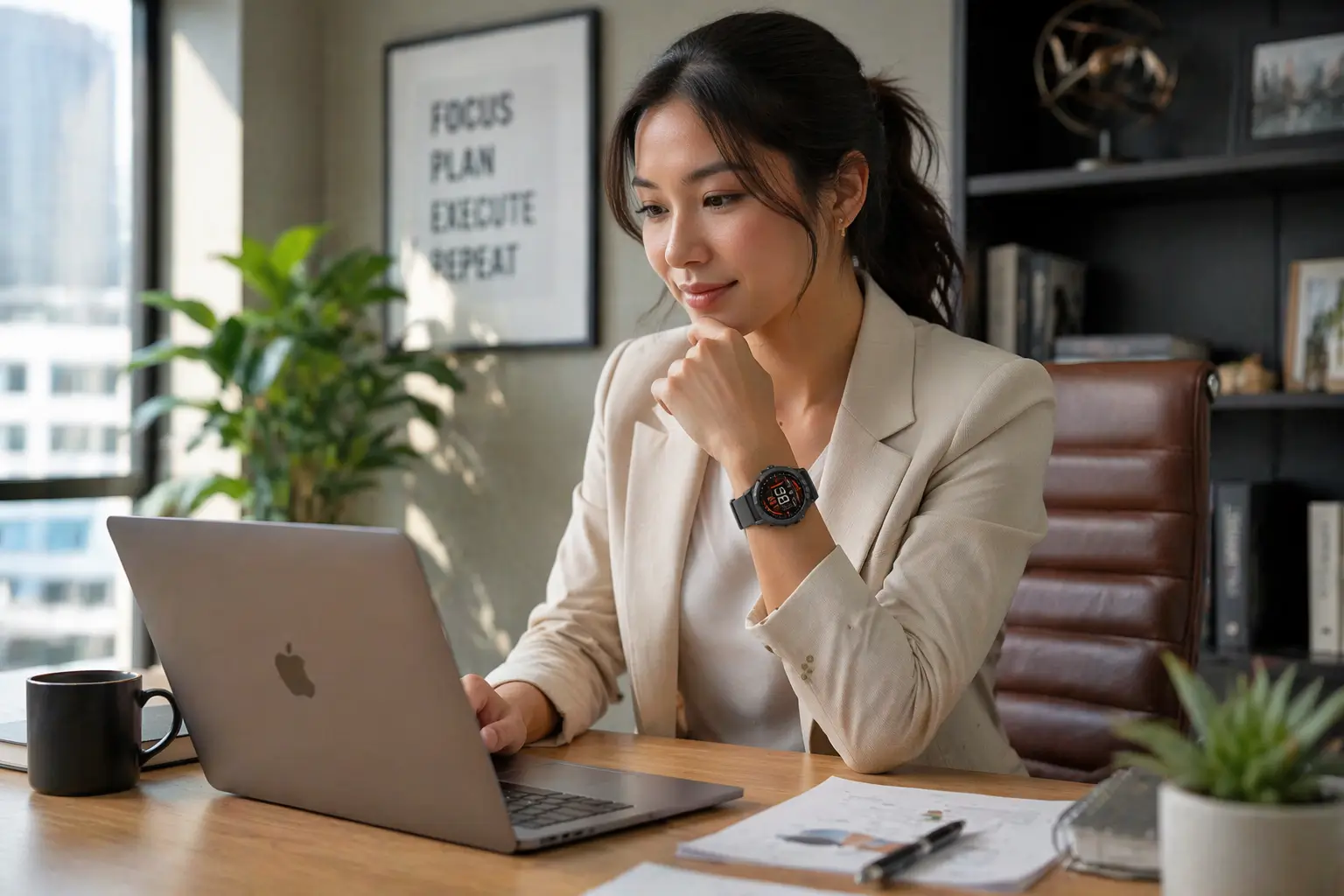
The Garmin fēnix 8 feels like the foundation piece for someone who wants a serious all-day wellness and performance hub on the wrist. It is not only about workouts. It is also about sleep data, recovery signals, heart-related insights, and the kind of overall body awareness that helps users understand when to push and when to slow down. For people with active lifestyles, that broad view can be incredibly valuable.
What makes the fēnix 8 especially compelling in a more supportive ecosystem is that it can act like the big-picture device. It helps connect training, recovery, sleep, and daily readiness into one ongoing story. If someone wants one premium wearable that handles the macro view of health and activity, this is the kind of product that can anchor the entire setup.
The Oura Ring 4 fits beautifully into a wellness routine because it feels quiet, light, and easy to live with. It does not demand attention in the same way a smartwatch does. Instead, it works more in the background, collecting useful data around sleep, stress, readiness, and recovery while staying simple and comfortable enough for all-day and all-night wear. That low-friction feel is a huge part of its appeal.
In a complementary setup, Oura makes the most sense for people who care deeply about sleep quality and subtle body signals. It is less about being a command center and more about being a soft, consistent source of personal insight. For users who want elegant tracking that does not feel intrusive, it can become one of the most valuable pieces in the whole routine.
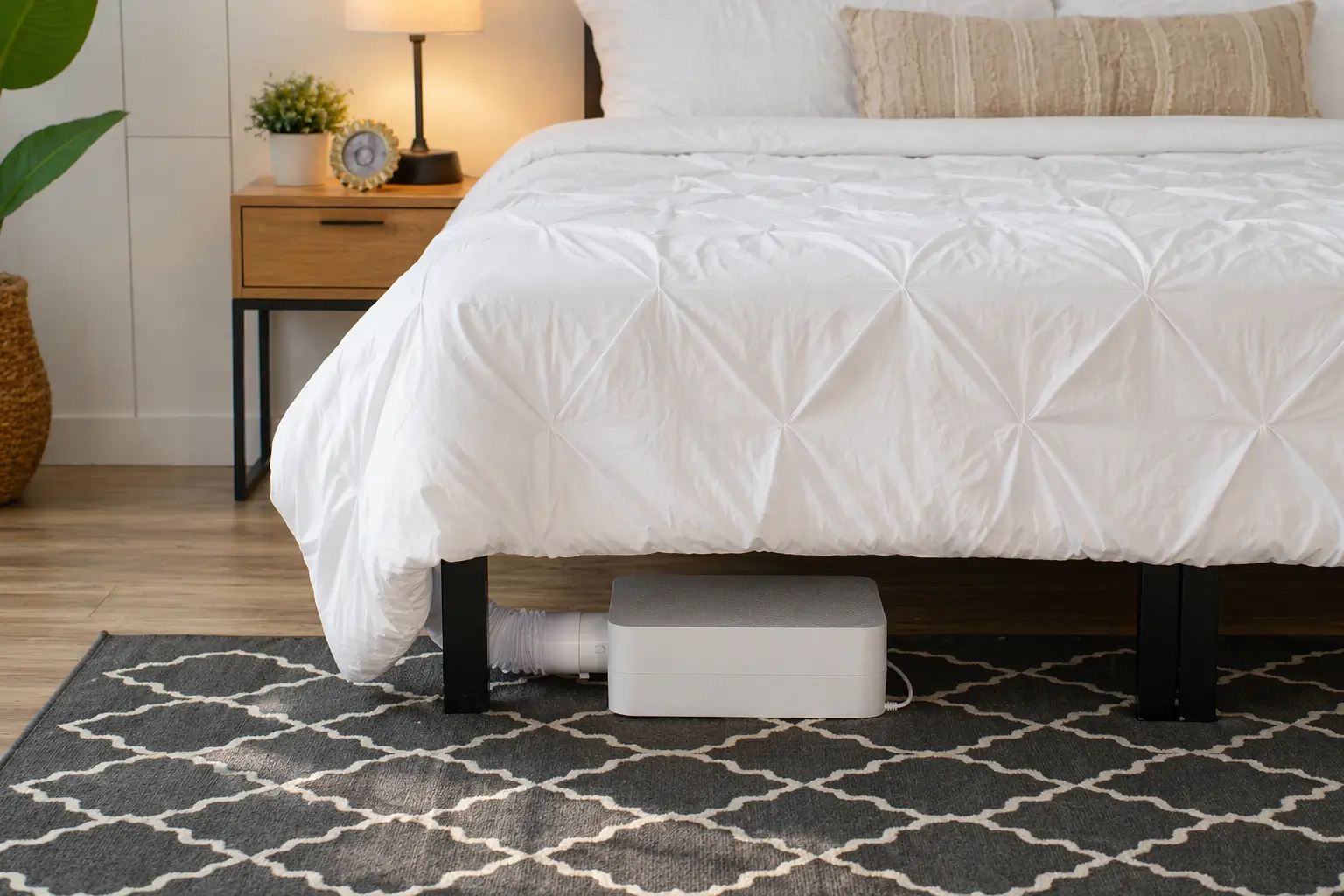
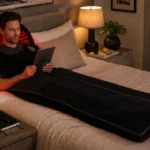
The BedJet 3 brings something very different into a wellness system, and that is exactly why it belongs here. It does not track anything. It does not analyze recovery scores. What it does is make the actual sleep environment dramatically more comfortable for people who sleep hot, deal with night sweats, or struggle with temperature swings at night. That matters because better sleep often starts with physical comfort before it starts with data.
In a supportive product mix, BedJet 3 plays the role of environment optimizer. It helps create the conditions that make deeper rest more likely, especially for people whose sleep is constantly interrupted by heat or discomfort. Paired with a tracker like Garmin, Oura, or RingConn, it starts to make even more sense because it addresses the side of wellness that numbers alone cannot fix.
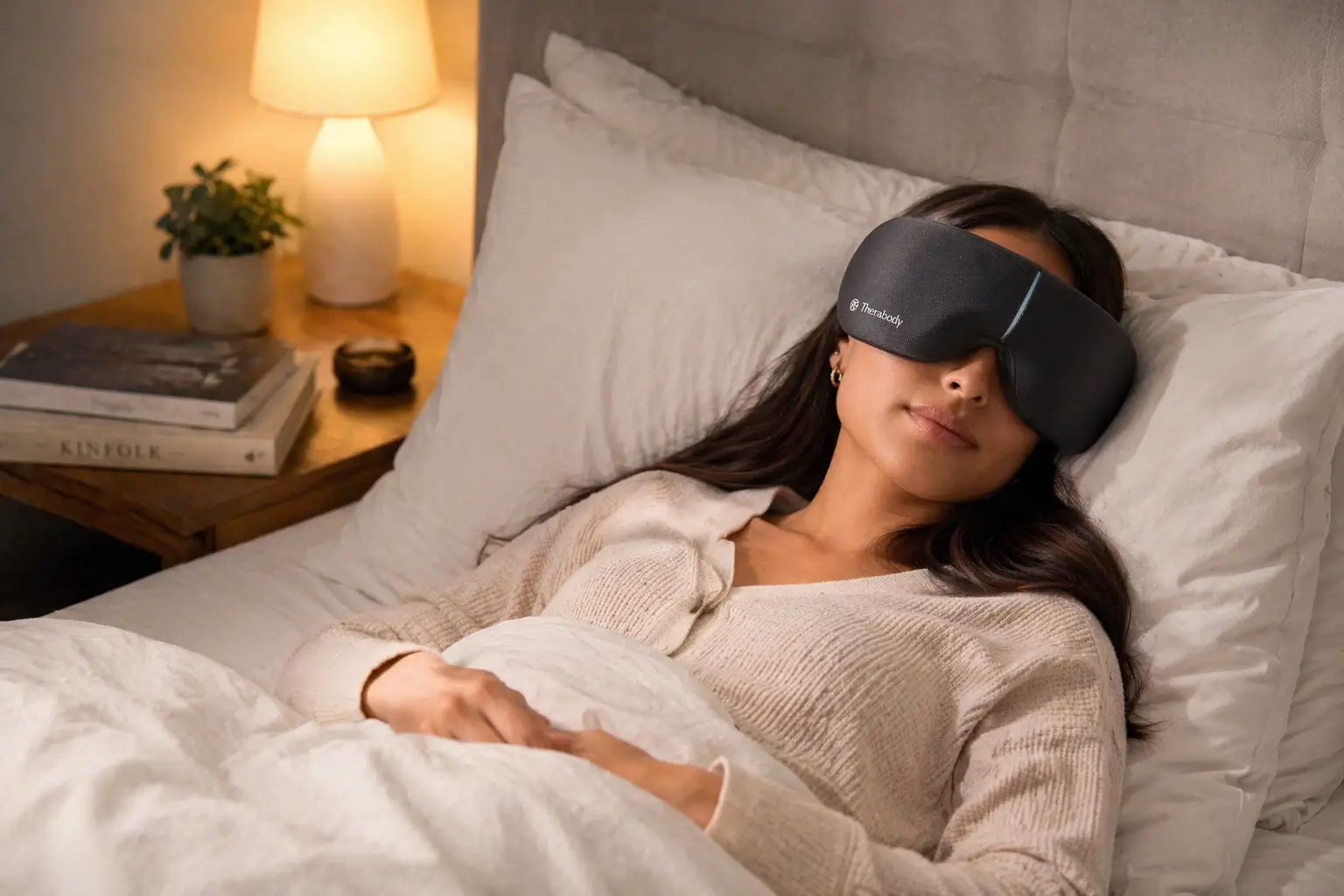
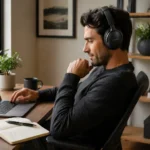
The SmartGoggles 2 feel like a beautifully specific wellness product. Instead of trying to cover the whole body or all-day tracking, they focus on a very real modern problem, eye strain, head tension, overstimulation, and the difficulty of winding down after screens, work, and stress. That makes them feel less like a gadget and more like a reset ritual.
Within a broader wellness ecosystem, this product fits best as the decompression piece. It is the one you reach for when you want to transition out of work mode, settle your nervous system a bit, or create a more intentional bedtime routine. It complements trackers and sleep devices especially well because it helps with the mental and sensory side of recovery, not just the physical metrics.
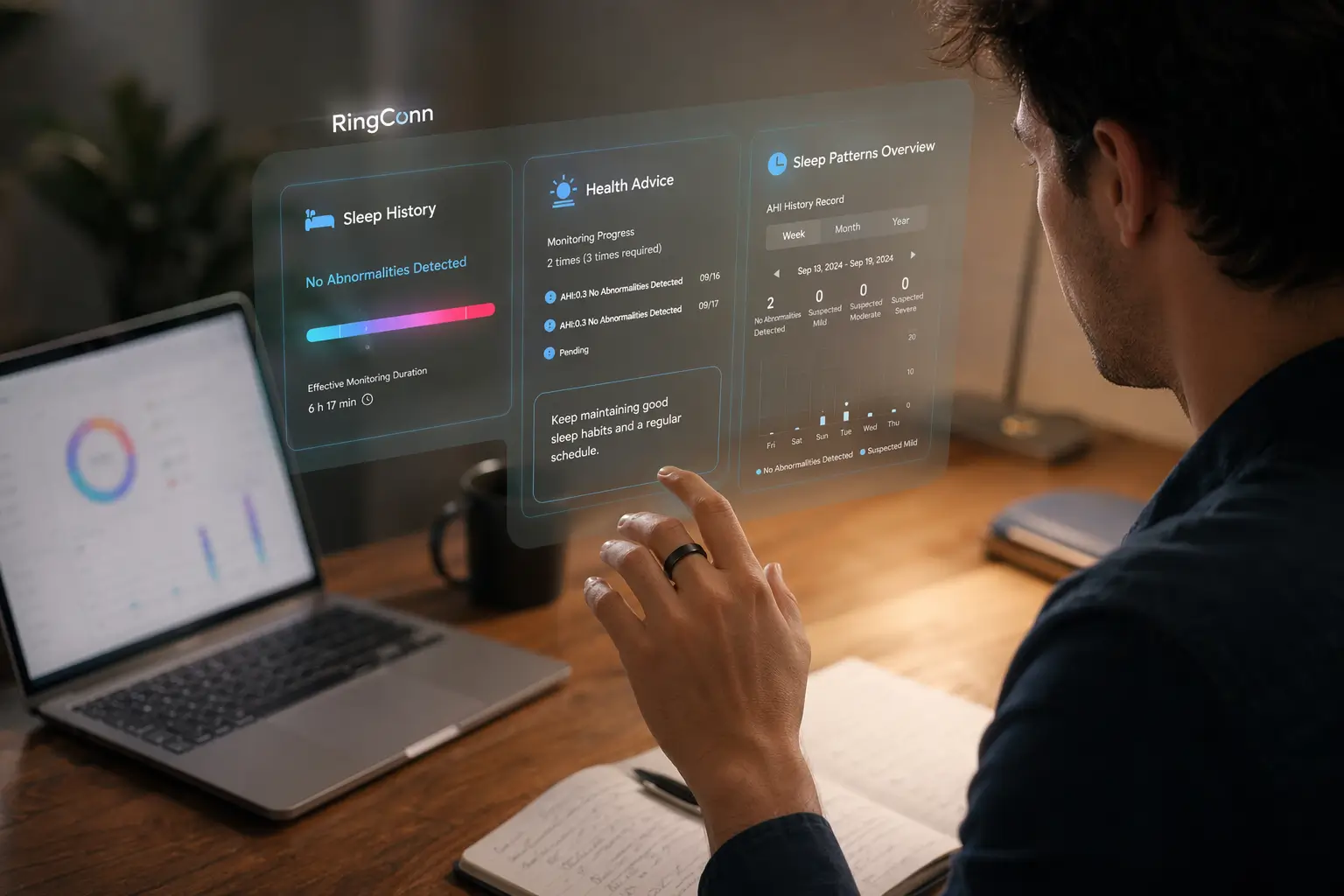
RingConn Gen 2 is interesting because it offers a slightly different smart-ring philosophy from Oura. It leans hard into lightweight comfort, long battery life, and subscription-free health tracking, while also bringing sleep apnea monitoring into the conversation. That gives it a very practical appeal for users who want a wellness ring that feels simple to own and easy to maintain over time.
As part of a complementary setup, RingConn works well for people who want sleep and health awareness in a more minimal format, especially if they value convenience and low maintenance. It may not replace a full-featured sports watch for highly active users, but it does not need to. Its strength is being a quiet, easy, always-on wellness companion that fills a very useful role.
What makes this group compelling is not direct competition. It is the way each product can support a different layer of recovery and daily wellness. Garmin fēnix 8 gives the broadest performance and health overview. Oura Ring 4 offers elegant, sleep-centered body awareness. BedJet 3 improves the actual sleep environment. SmartGoggles 2 help users shift into recovery mode more intentionally. RingConn Gen 2 provides a lightweight, low-maintenance path to sleep and health tracking.
That is why this kind of roundup works better as a system mindset than a winner-takes-all list. Some people may want one anchor device and one comfort tool. Others may want a sleep tracker plus a better bed setup. Others may want a full wellness stack. The real goal is not owning the most gadgets. It is choosing the combination that makes rest, recovery, and self-awareness easier to maintain in real life.










0 Comments